Powered by Tourism
Transit & Tourism Consulting

We build the way there.

Don’t just tell people a place exists. Build the route, the coalition and the booking system that get them there.

The consulting and operations practice behind Parkbus, Canada’s national outdoor transportation network. We design transportation, build stakeholder coalitions, and prove every recommendation with live pilots in the field.

16 years running routes  ·  300k+ passengers moved  ·  100+ destinations
Map illustration showing destinations connected by travel routes
Section 01 · Who We Are

Built on 16 years of running the routes ourselves

Powered by Tourism is the consulting practice behind Parkbus, Canada’s national outdoor transportation company.

For sixteen years the team has built and operated the transit services, booking platforms and stakeholder partnerships that connect cities to parks and small-town destinations across Canada, and internationally through Parkbus Taiwan.

Signed MOUs with Parks Canada and VIA Rail. Winner of the Sustainable Tourism Award from the Tourism Industry Association of Canada, and a finalist for the World Travel & Tourism Council’s Tourism for Tomorrow Innovation Award. Universities study the Parkbus model as a case in sustainable transport.

Parks Canada VIA Rail Canada Tourism Industry Association of Canada World Travel & Tourism Council

“A destination does not have a demand problem. It has an access and coordination problem, and that problem is solvable.”

Strategic plans sit on shelves, and the cause is almost always the same: the right people were not at the table at the right time. Most destinations already have world-class product. What they lack is the system to deliver visitors to it reliably, and a plan built with the people who must implement it. Closing that gap is the whole company.

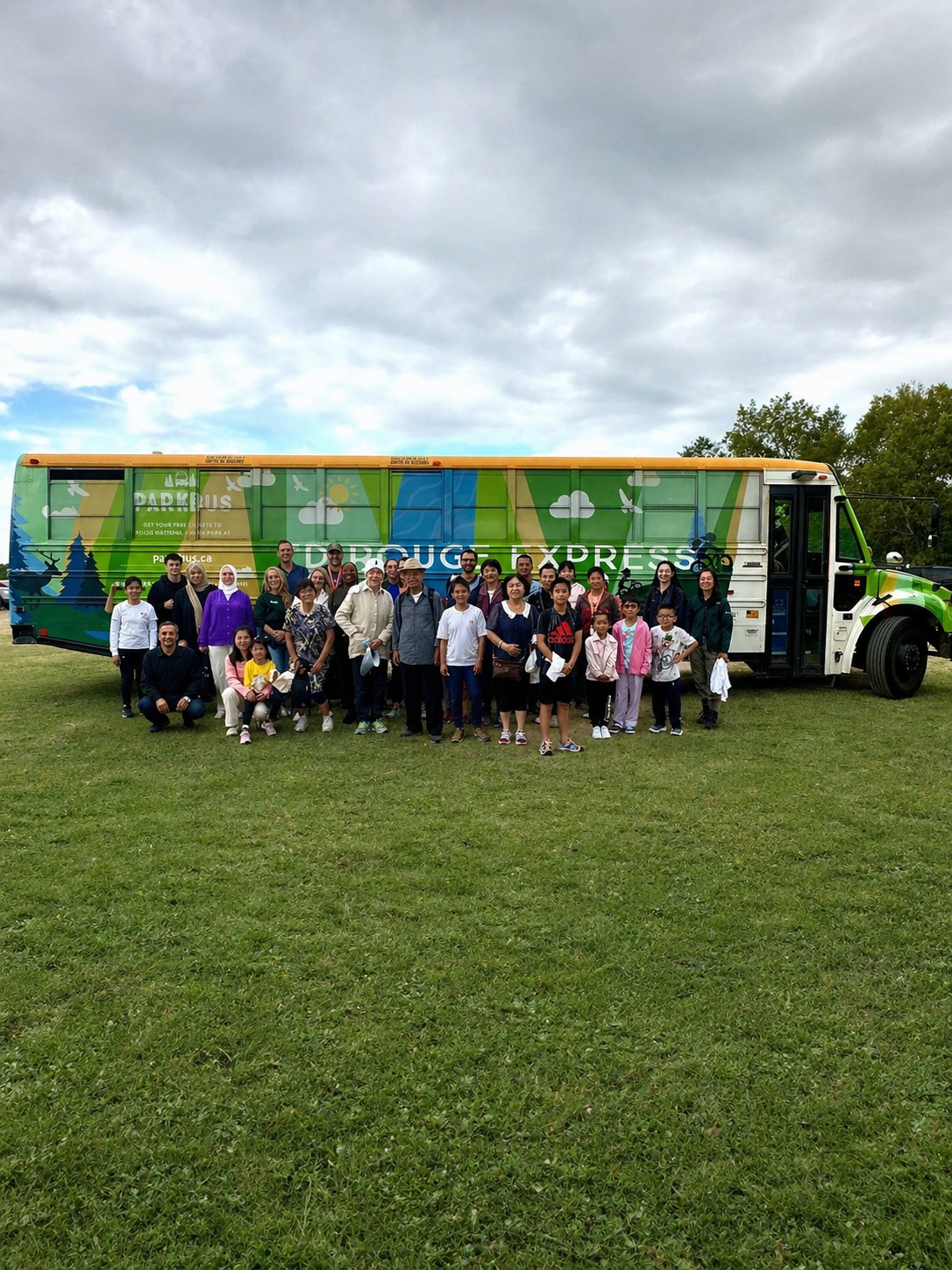
Riders arriving at Rouge National Urban Park
Toronto, Ont. Riders arriving at Rouge National Urban Park, one of 100-plus destinations served coast to coast.
Section 02 · How We Work

Destination Design

Our entire practice is built on a single approach: design thinking applied to destinations.

Rather than writing a plan at a desk and handing it over, every engagement is co-created with the stakeholders who will live with the results: operators, community leaders, Indigenous Nations, DMOs and government partners. The work follows the Double Diamond, moving through four stages: diverging to explore, converging to decide.

The move that sets the approach apart is prototyping. Most consultancies deliver recommendations built on data and surveys alone. Powered by Tourism runs live demonstration trips with real transit, real guided experiences and real visitors, all before the report is written. The final plan is built on what actually happened, not what was assumed.

No. 01

Discover

Go wide. Inventory what exists, interview stakeholders, gather data, visit sites.

No. 02

Define

Converge on insight. Synthesize findings, identify opportunities, shape preliminary recommendations.

No. 03

Develop

Go wide on solutions. Design service models, co-create packages with operators, run live pilots.

No. 04

Deliver

Converge on the final plan. Validate with stakeholders, produce deliverables built on evidence.

Section 03 · The Framework

The four stakeholders

Buy-in from every level of the tourism economy means engaging four distinct voices from the start, not as a checkbox at the end, but as the lens through which every decision is shaped.

No. 01

The Trail Blazer

Goes first.

Builds the lodge, the route, the experience. Proves demand before anyone else believes it.

No. 02

The Local Leader

Legitimizes.

The mayor, the Indigenous council, the chamber president. Their endorsement unlocks doors, funding and trust no outsider can.

No. 03

The Innovator

Commercializes.

Takes what the Trail Blazer proved and builds something scalable: a booking platform, a transportation service, a real economy.

No. 04

The Master Planner

Coordinates.

Sees the whole system and makes sure growth serves the community, not just the visitor count.

When all four voices shape the recommendations, the plan stops being a study and starts being a shared agenda.

Section 04 · What We Deliver

A focused set of services

Transportation & Access

Transit

Transit feasibility studies, regional transportation frameworks, demand forecasting, network design and phased implementation roadmaps. The routes are not just recommended. They have been built and operated.

Tourism Experience Design

Strategy

Experience inventories, gap analysis, GIS cluster mapping, priority-area selection, and prototype tourism packages that bundle transport with guided experiences.

Live Demonstration Pilots

Proof

Real trips, real visitors, real data. Recommendations are proven in the field, so the final plan is built on evidence instead of projection.

Digital Tourism Infrastructure

Infrastructure

Booking engines, ticketing systems and performance ad pipelines, designed and operated by the team behind Parkbus’s own booking system: 300,000-plus tickets and counting.

Section 05 · The Record

The proof is in what already runs

Most teams will tell you what they would recommend. This team can tell you what happened when they did it.

Case Study 01 Toronto → Algonquin Park, Ontario
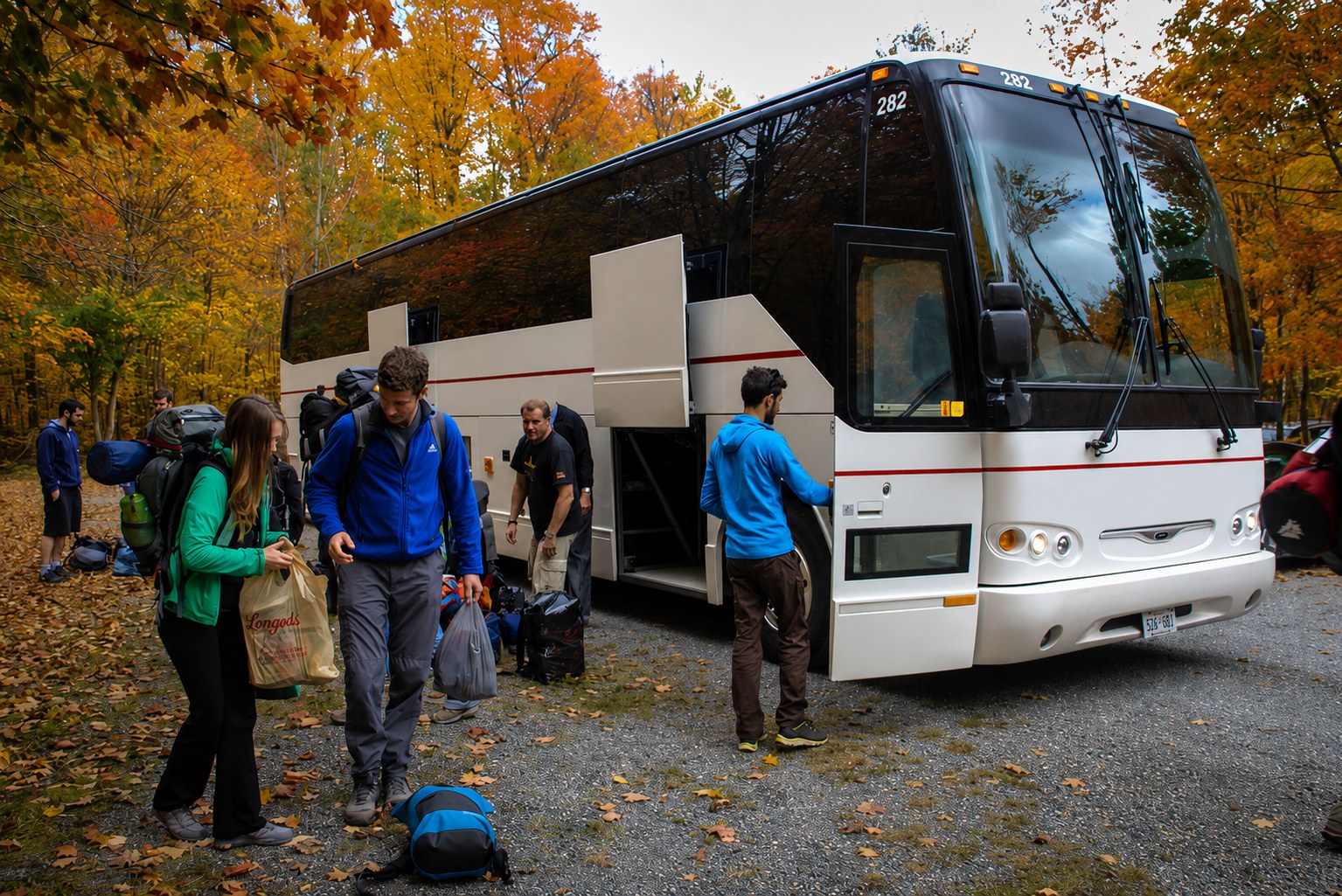
Travellers arriving at Algonquin Park in autumn
Algonquin Park, Ont. Arrival on the Highway 60 corridor. The route has run every summer for over fifteen years.

Six stops, one corridor, fifteen summers

Weekend service connecting Toronto to one of Canada’s most iconic parks, with six designed stops along Highway 60, each matched to an activity, and a booking system that bundles transport, activity and accommodation in one flow. Built in partnership with Ontario Parks, Algonquin Outfitters and regional accommodation providers.

TORONTO PADDLEHIKEBIKE CAMPLODGE ALGONQUIN

15+ summers running
4.8/5 Google rating
96% of riders recommend it

“Having Parkbus drop off customers at three of our locations allows us to prebook canoes, offer discounts to captive markets, and we see return customers during the busy season.”

Algonquin Outfitters
Case Study 02 Vancouver → Hope, British Columbia
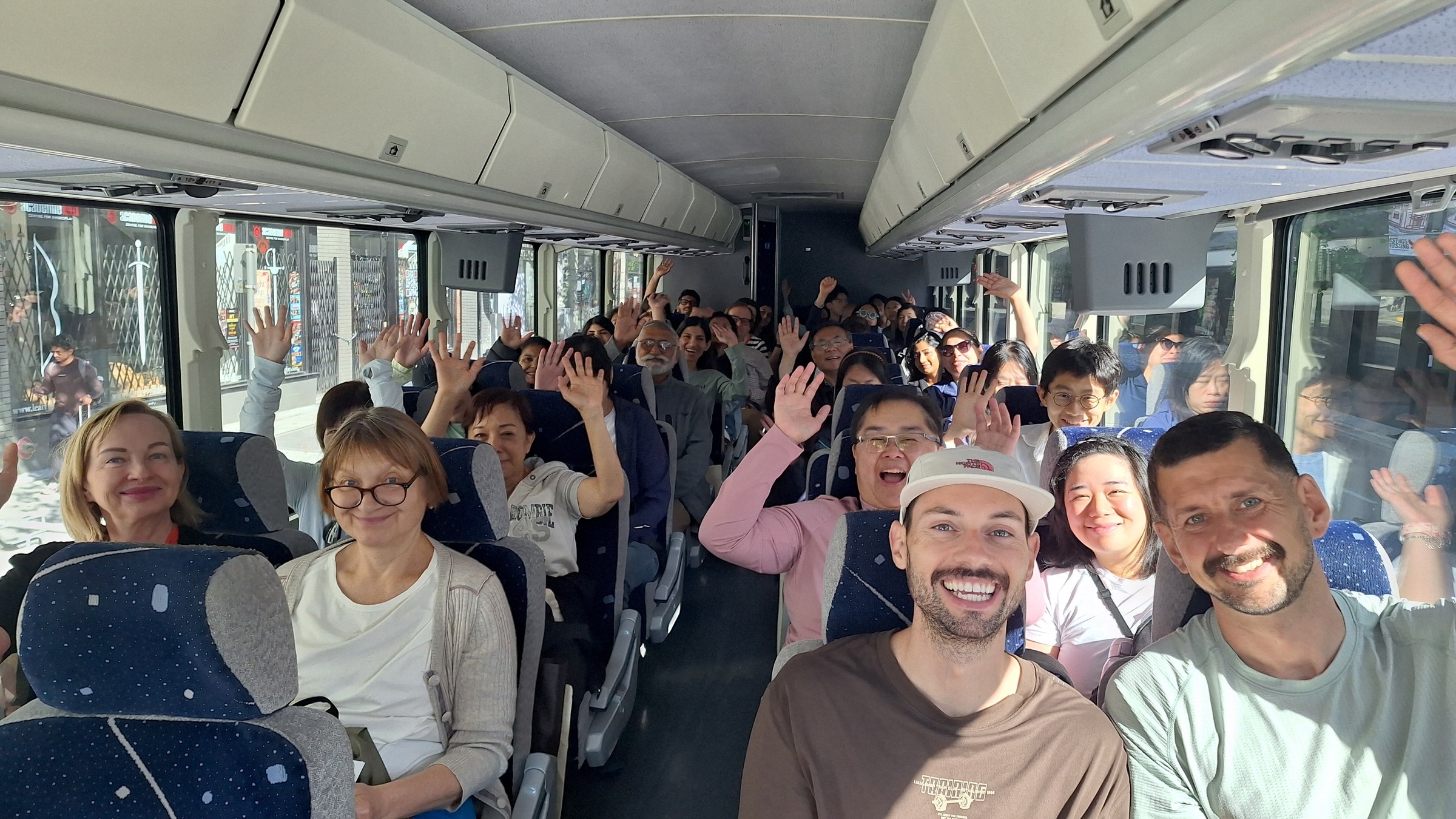
A full coach of riders on the Vancouver to Hope route
Hope, B.C. A full coach on the Vancouver–Hope corridor. Sold out two summers running.

The park draws the visitor. The town captures the benefit.

Weekend coach service from Vancouver to the town of Hope, with shuttles to Othello Tunnels Provincial Park. A coalition of BC Parks, Advantage Hope, Transportation Options and TD Bank made a flat $30 fare possible: the same price for adults, students, children and seniors. A new transit corridor and tourism itinerary where neither existed before.

VANCOUVER HOPE, B.C. OTHELLO TUNNELS WEEKEND COACH SHUTTLE ↔ RETURN

$30 flat fare, all ages
650 riders this summer
2 summers sold out

“Those 650 visitors do not just pass through. They walk Wallace Street, fill the patios, the cafés and ice-cream counters, and explore Hope’s chainsaw-carving trail.”

Advantage Hope
Case Study 03 Toronto → Rouge National Urban Park, Ontario
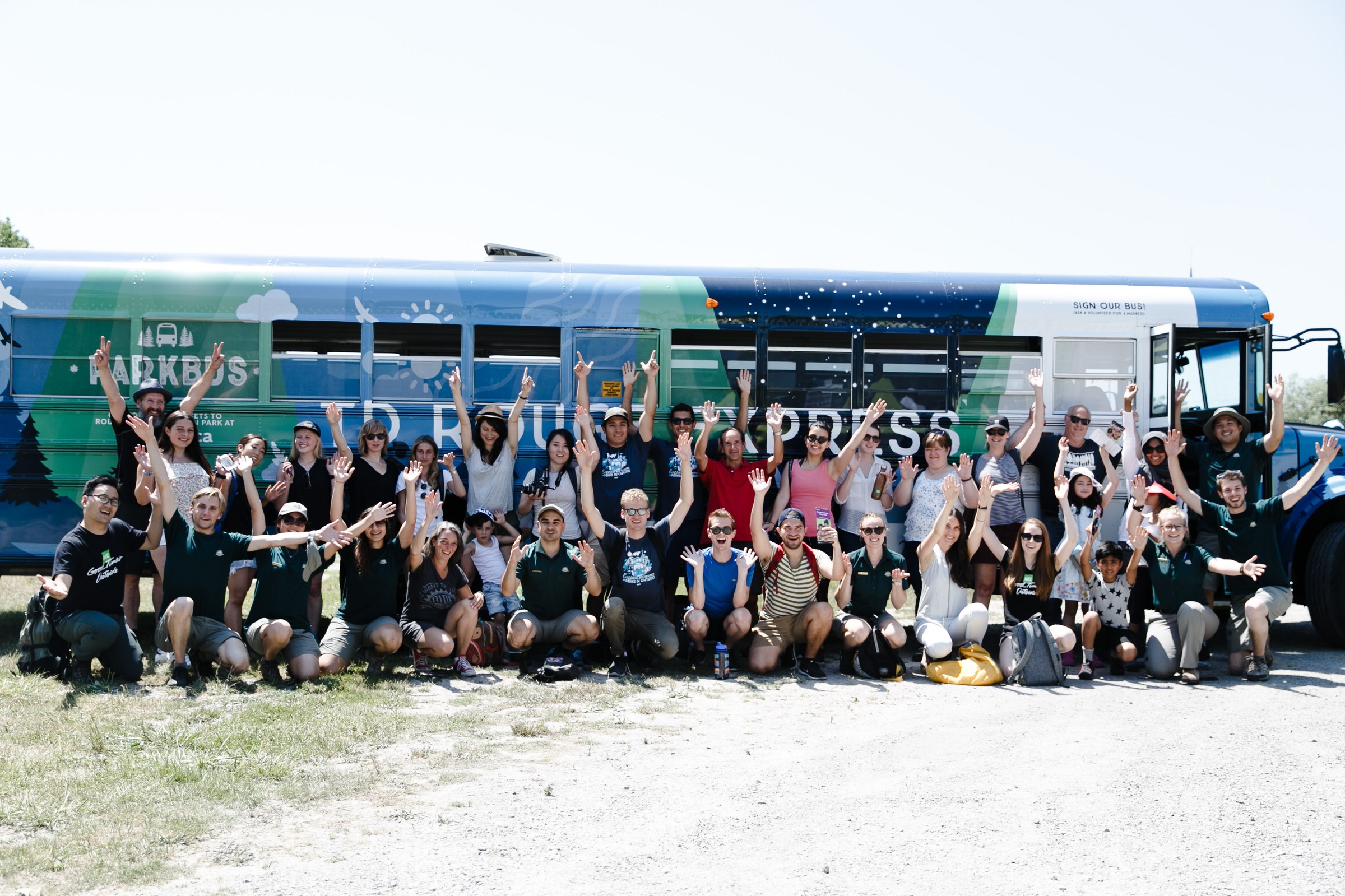
Riders gathered at Rouge National Urban Park
Rouge National Urban Park, Ont. Free seasonal service from downtown Toronto, a feasibility study that became a running route.

From commissioned study to a decade of service

Parks Canada commissioned a transit feasibility study for Canada’s first national urban park, a direct analogue to a regional transportation framework. The team audited accessibility, surveyed 1,156 Toronto residents, segmented the market and delivered phased, low-carbon service options. Then the recommendation was built: free seasonal service from downtown Toronto for over a decade, plus a shuttle partnership with the neighbouring Toronto Zoo.

1,156 residents surveyed
10+ years of free service
Study → route, implemented

“Parkbus helped thousands of people discover and experience Canada’s first national urban park by providing free, accessible transportation from downtown Toronto.”

Parks Canada · Rouge NUP

Three corridors, one pattern. Study the gap. Build the coalition. Run the route. Prove it works, then keep running it.

Section 06 · Abroad

The model travels

In 2020 the model went international. Parkbus Taiwan connects Taiwan’s cities to its great hiking destinations: bilingual, small-group guided trips departing Taipei, Taichung, Kaohsiung and Hualien for peaks like Jade Mountain and Snow Mountain, operated with local partner Taiwan Outdoors. Proof that the playbook built on the Highway 60 corridor transfers across languages, markets and park systems.

It is the same pattern every time: study the gap, build the coalition, run the route. The next application is the United States, where the distance between world-class public land and car-free access is greater than anywhere we have worked.

2020 Parkbus Taiwan launches  ·  Taipei → Jade Mountain flagship route

Hikers on the Walami Trail with Parkbus Taiwan
Walami Trail, Taiwan On the trail with Parkbus Taiwan, a bilingual guided hike in Yushan National Park. Photo: Taiwan Outdoors
Section 07 · The People

A team of operators and builders

Every member of this team has built, funded, or operated the kind of work being proposed. No generalists. No subcontractors. The people on this page are the people who do the work.

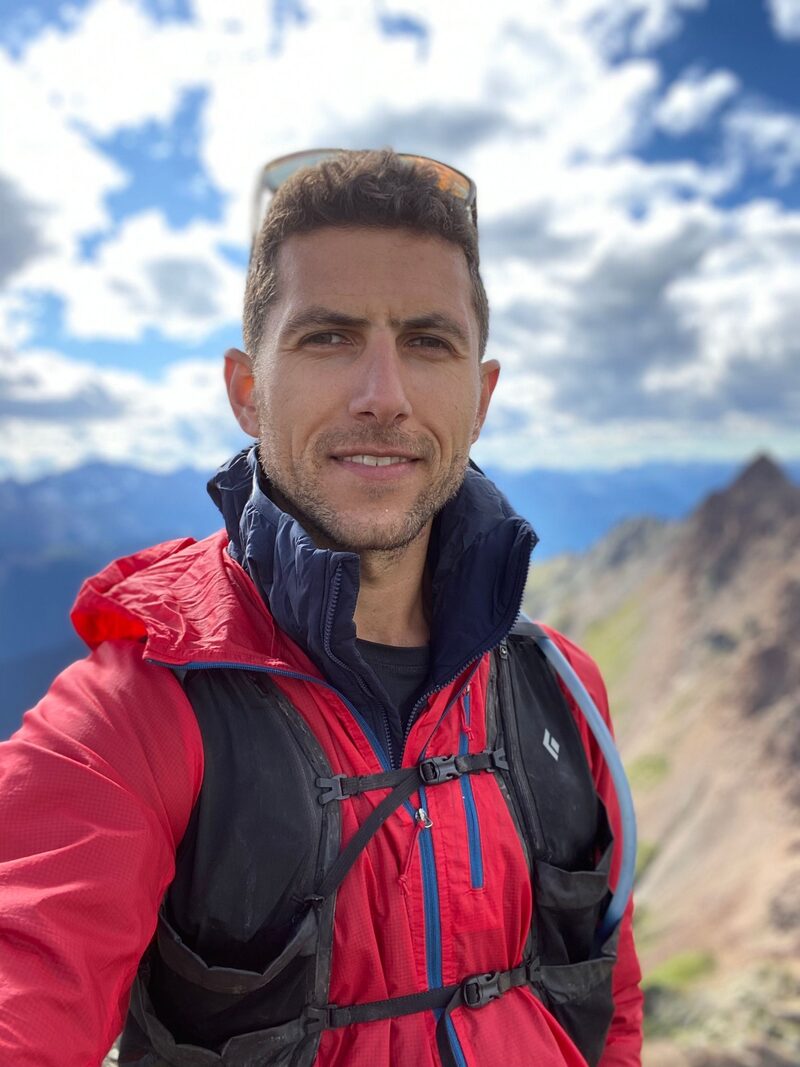
Alex Berlyand

Alex Berlyand

Tourism & Transit Consultant

Co-founder of Parkbus, scaling it from a grassroots pilot to Canada’s national outdoor transportation network: 50+ parks, 300,000+ riders, over $1.1M in grants and sponsorship secured. As National Programs Lead at the Tourism Innovation Lab, designed the Spark Mentorships & Grants Program in partnership with Destination BC and Indigenous Tourism BC. Destination BC Qualified Supplier. Based in Squamish, BC.

Rebecca Koroll

Rebecca Koroll

Operations & Research · MA, PhD(c)

Chief Operations Officer of Parkbus, running operations across Canada. PhD candidate in Recreation and Leisure Studies at the University of Waterloo. Quantitative researcher focused on outdoor recreation, visitation barriers, and wellbeing. Has conducted large-scale survey research and taught tourism planning at the university level. The team’s research engine.

Matthew Thomas

Matthew Thomas

Project Lead · CEO, Parkbus

Designs travel and tourism systems and builds the stakeholder coalitions that make destinations work. Under his leadership Parkbus grew revenue 30% and profit 39% last year and launched overnight trips with VIA Rail and Parks Canada. Previously consulted for Destination Ontario, Indigenous Tourism Ontario, and destinations across North America. Co-founded Whereabouts, a destination-management platform powering 30+ destinations. Master’s in Strategic Foresight & Innovation, OCAD University. Climate Reality Leader.

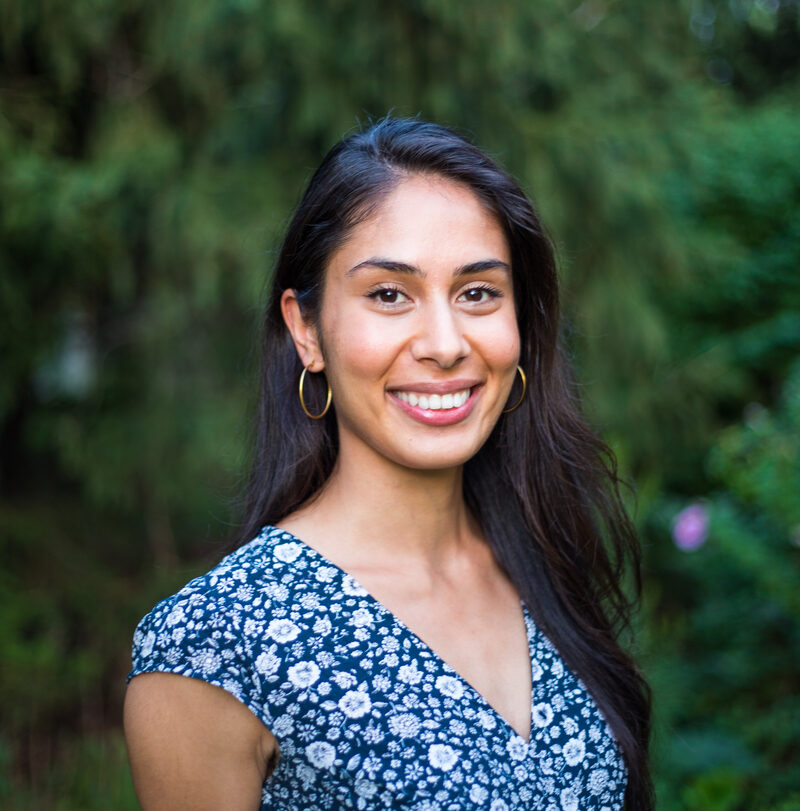
Jasmine Burji

Jasmine Burji

Tourism Experience Consultant

Tourism consultant with deep experience in community development and environmental sustainability. Has supported tourism strategies and brand development for municipalities and tourism organizations across Ontario. Bachelor of Commerce in Hospitality and Tourism Management. Based in Kimberley, BC, in the heart of the Kootenay Rockies.

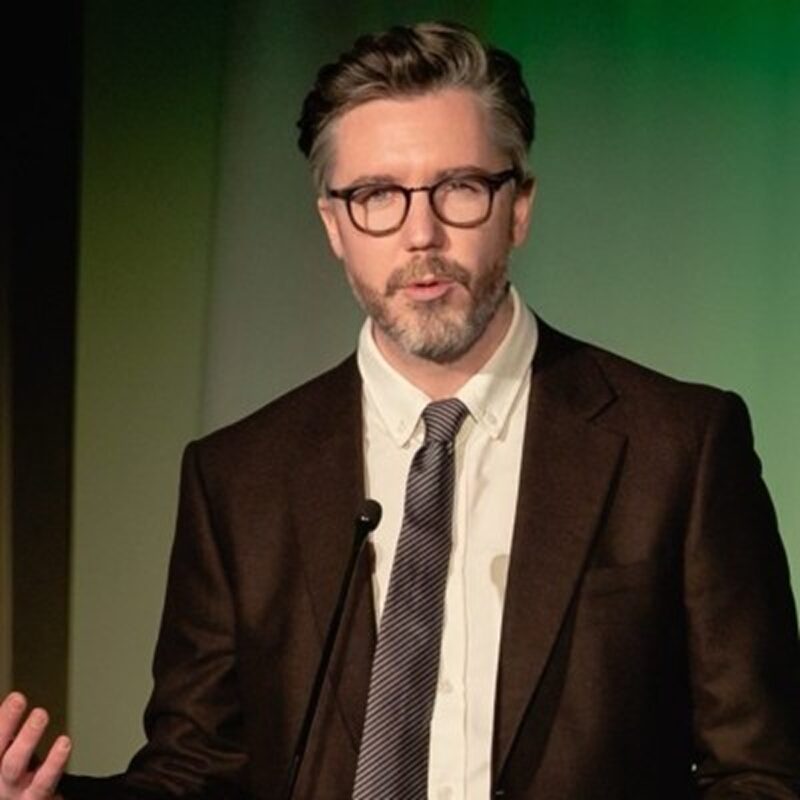
Alex Berlyand on stage at the BC Tourism Industry Conference
Victoria, B.C. Alex Berlyand on stage at the annual BC Tourism Industry Conference. Photo: Tourism Industry Association of BC
Section 08 · Reporting

Evidence, ready for the annual report

Campaign data becomes the clear proof points stakeholders need: operator referrals, traffic sent to local businesses, economic impact estimates, formatted to drop straight into a board deck or annual report.

Operator Referrals FY 2026
12,847
Referral bookings driven · ↑ 41% YoY
Accommodations6,420
Experiences4,108
Food & Beverage2,319
Economic Impact Annual Report
$3.2M
Estimated visitor spend · ↑ 58% YoY
Cost per booking$8.20
Operators activated47
Return on ad spend12.4×
Section 09 · Field Notes

What we’re watching, worldwide

Bern, Switzerland

The PostAuto standard

Switzerland’s yellow post buses serve villages of forty people, arriving at the same minutes past the hour, all day, every day. The lesson for rural North America isn’t the size of the fleet. It’s the promise: when travellers can trust that the bus will come, they leave the car at home.

Geiranger, Norway

Routes as destinations

Norway’s National Tourist Routes turned 18 stretches of road into attractions in their own right, with commissioned architecture and viewpoints. The journey itself can carry a destination brand, a thesis we test on every corridor we design.

Wakayama, Japan

Rail that rescued a region

Japan’s rural lines survive by bundling transit with pilgrimage trails, onsen towns and station-front economies. The playbook of transport plus experience, sold as one ticket, is the same one that fills a Parkbus.

Toronto → Québec City

Alto, Canada’s big bet

Alto, the proposed high-speed rail line between Toronto and Québec City, would be among the biggest infrastructure projects in Canadian history. The question we’re asking: will it also be a tourism success story? Every station becomes a day-trip hub, and the destinations that plan their last kilometre now are the ones that will capture it.

Section 10 · Begin

Let’s talk

A small number of partnerships each year. Deep relationships over shallow ones, and a team that feels like part of yours. Engagements are scoped to fit the destination and the season. If the work is aligned, let’s start a conversation.

The desks  ·  Toronto  ·  Squamish

Team collaboration illustration